

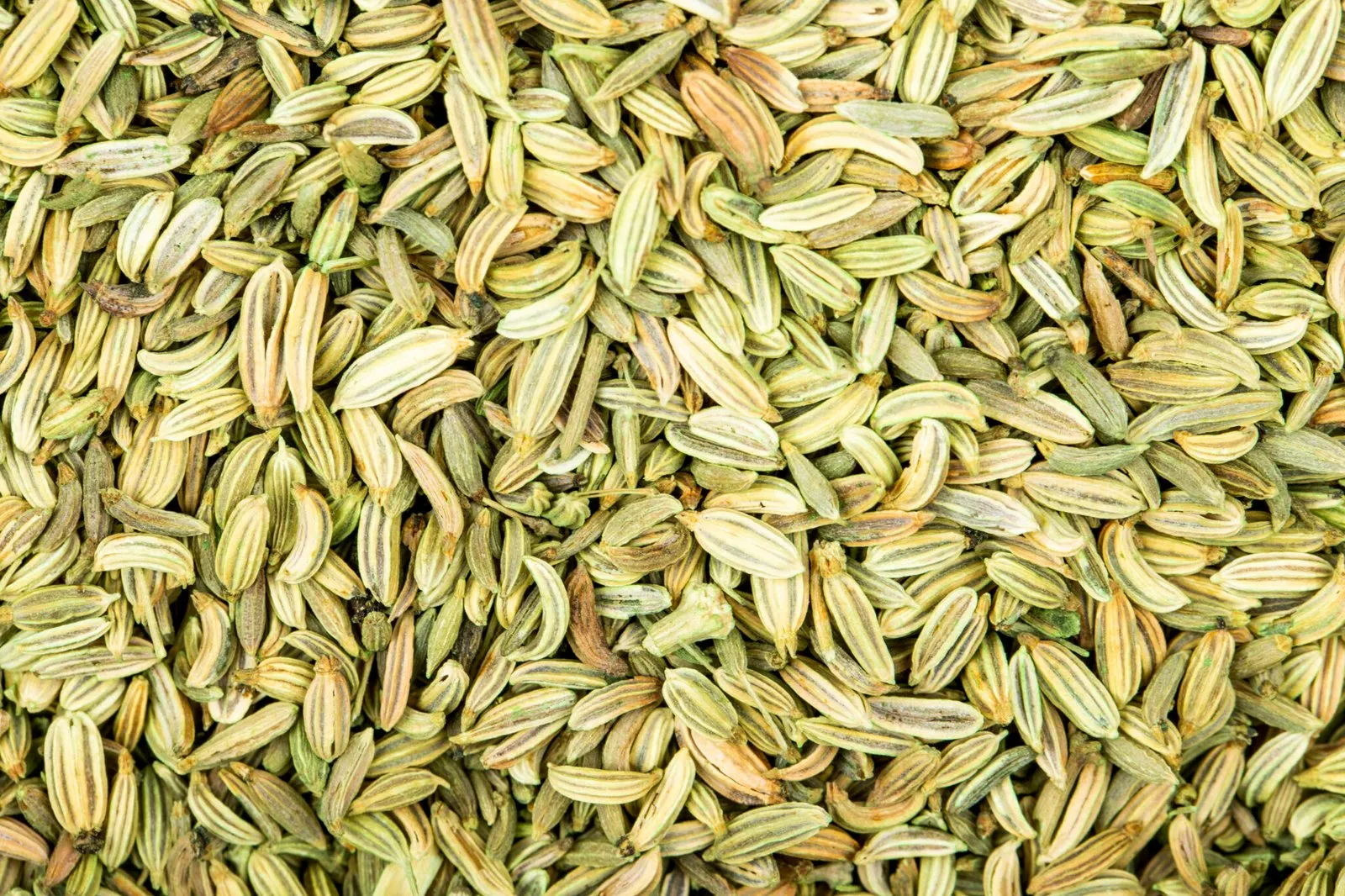
Buying spices in commercial quantities is different from choosing a small pack for a home kitchen. Importers, food manufacturers, wholesalers and private-label brands have to think about consistency, cleanliness, documentation, packaging and performance in production. When working with a fennel seeds exporter, buyers should look beyond appearance and price and examine the full supply process. A careful sourcing decision protects flavour, reduces quality problems and makes repeat purchasing easier.
Start With the Product Specification
A bulk order should begin with a clear specification rather than a general request for “good quality” spice. Buyers need to define the characteristics that matter to their application. For whole seeds, this may include colour, aroma, purity, moisture, foreign matter and seed size. For ground products, particle size and consistency become especially important.
The specification should also match the final use. Fennel intended for retail packing may need a strong visual appearance, while seeds used in seasoning blends may be evaluated more heavily for aroma and flavour. Clear requirements reduce misunderstandings and make samples easier to compare.
Check Cleaning and Sorting Standards
Agricultural ingredients pass through several stages before they are ready for commercial use. Cleaning and sorting therefore deserve careful attention. Buyers should ask how dust, stones, damaged seeds and other unwanted material are removed and whether the supplier can maintain a consistent grade across larger quantities.
Visual quality should not be the only check. Moisture, microbiological requirements and contamination controls can also matter, particularly when products enter regulated food supply chains. A supplier that can clearly explain its processing steps is easier to assess than one relying only on broad claims about premium quality.
Whole and Ground Spices Need Different Checks
The risks change once a spice is ground. Whole seeds can be examined for size, colour and visible foreign matter, while powders require closer attention to fineness and uniformity. Buyers working with a cumin powder manufacturer should confirm the raw material used, grinding practices, particle-size requirements, moisture expectations and packaging method.
Cumin powder should deliver a recognisable warm, earthy aroma and remain reasonably consistent between batches. For manufacturers of ready meals, spice mixes, sauces or snacks, consistency is essential because changes in flavour strength can affect the finished recipe.
Ask for Samples Before Scaling Up
Samples are one of the simplest ways to reduce purchasing risk. A representative sample allows a buyer to evaluate appearance, aroma, texture and suitability before committing to a full shipment. When possible, it should be checked using the same process that will be used after commercial delivery.
Food businesses may also use laboratory testing where microbiological, residue or chemical limits apply. The required testing depends on the destination market, product and buyer’s quality system. Agreeing on expectations before an order is confirmed is far better than resolving them after dispatch.
Packaging Is Part of Quality
Spices can lose quality when packaging does not protect them from moisture, contamination or prolonged exposure to air. Bulk packaging should suit the product, shipment size, transport conditions and expected storage period.
Importers should discuss bag type, weight, liners where required, labelling and palletisation before shipping. Private-label buyers may also need branding, batch identification or retail-ready packs. Clear instructions are especially useful when products move through several warehouses or logistics partners.
Look Beyond the Lowest Price
The cheapest quotation does not always produce the lowest overall purchasing cost. Delays, inconsistent grades, rejected batches, or unclear paperwork can quickly outweigh a small saving on the product itself. Serious buyers should consider communication, responsiveness, ability to meet specifications and consistency across repeat orders.
Requesting product specifications, sample details, available grades, packaging options and expected lead times gives buyers a more useful basis for comparison than price alone.
Build a Repeatable Procurement Process
Long-term spice sourcing works best when both sides know what is expected. Keep approved specifications, sample references, packaging instructions and testing requirements on record. Review incoming batches against the same standards and document changes that could affect production.
A structured process also makes it easier to add new spices later because the purchasing team already knows which quality questions to ask.
Conclusion
Bulk spice procurement is ultimately about control and repeatability. Aroma and appearance matter, but commercial buyers also need dependable specifications, appropriate processing, suitable testing, secure packaging and reliable communication. By checking these factors before placing a large order, importers and food businesses can reduce uncertainty and build a supply chain that supports consistent products, smoother production and stronger long-term purchasing relationships.